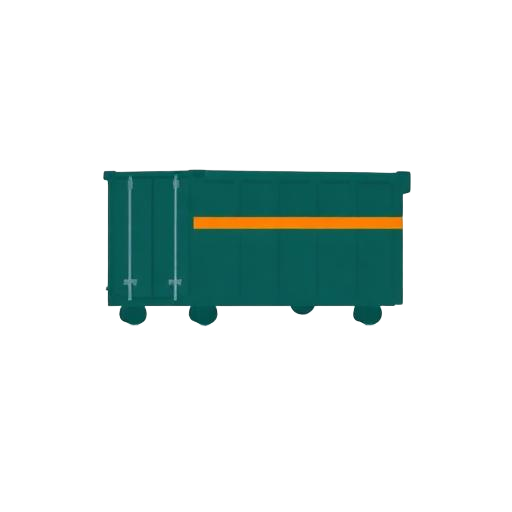
Roll-Off Dumpster Rental Guide: How Open-Top Containers Work
Roll-off containers get their name from the way they are delivered: a truck backs in, tilts its bed, and rolls the container down onto the ground on rails. Understanding that mechanism ...

Roll-off containers get their name from the way they are delivered: a truck backs in, tilts its bed, and rolls the container down onto the ground on rails. Understanding that mechanism explains almost every rule about placement, clearance and loading that you will hear from a dispatcher.
Every roll-off dumpster rental request we take in the Albuquerque area starts with the same question: what is being removed, and how much of it is there? Roll-off dumpster rental in Albuquerque works best when the container, the placement spot and the timing are matched to the work in front of you. Planning roll-off dumpster rental around how the container is delivered, loaded and collected keeps a project moving instead of stalling while debris piles up on site.
Service Overview
Volume is only half the picture. Weight matters too, because dense loads such as mixed construction debris fill the allowable weight of a container long before they fill the space. Accepted materials vary by provider and by local disposal requirements, so confirm what can go in the container before loading anything unusual. Rental duration should follow the pace of the work. A tight schedule and a long, phased schedule call for different plans. Nothing should sit above the top rail of the container. Loads have to be level for safe transport, so plan to break down bulky items where you can.
Talk through a driveway cleanout and a job site debris container with us and we can point you toward a container size that fits the work rather than one that only fits the budget line. If the project runs in phases, tell us up front. Sequencing a container around a driveway cleanout is easier to plan than reacting to it mid-project. Loading in layers, flat items first, keeps the load stable and helps you use the full depth of the container instead of only the top half. When you call (505) 448-1483, it helps to describe the property, the debris and the amount of room available for the container.
- The truck needs a straight, level approach and overhead clearance
- Rear swing doors make walk-in loading possible
- Containers should never be moved after placement
- Level loading is a transport requirement, not a preference
- Ground firmness matters as much as available space
Common Uses on Local Properties
Sorting as you go, rather than after the fact, saves time on a driveway cleanout and a job site debris container where salvageable material is mixed with true waste. Keeping a clear, level pad free of vehicles and equipment before the delivery window is the single easiest way to avoid a delay. Items such as paint, solvents, fuels, batteries, tires, appliances containing refrigerant and pressurized tanks commonly require separate handling.
- A driveway cleanout — The most common residential placement, needing straight approach room.
- A job site debris container — Placed where trades can reach it without crossing finished work.
- A roof tear-off — Positioned close to the eaves so debris drops straight in.
- A landscaping project — Set near the work area so brush is not carried across the lot.
- A commercial buildout — Located clear of customer parking and fire lanes.
- A phased remodel — Scheduled in stages rather than left idle between phases.
Choosing an Appropriate Dumpster Size
Keeping a clear, level pad free of vehicles and equipment before the delivery window is the single easiest way to avoid a delay. Clear communication about how the container is delivered, loaded and collected avoids the two problems that derail cleanups most often: the wrong container, and nowhere to put it. Access is worth checking early: gates, low branches, narrow side yards and tight cul-de-sacs all affect where a roll-off can be set down.
Accepted materials vary by provider and by local disposal requirements, so confirm what can go in the container before loading anything unusual. Rental duration should follow the pace of the work. A tight schedule and a long, phased schedule call for different plans. We confirm size, scheduling and accepted materials for each project rather than quoting a one-size answer over the phone.
Debris Types and Disposal Notes
We confirm size, scheduling and accepted materials for each project rather than quoting a one-size answer over the phone. Talk through a driveway cleanout and a job site debris container with us and we can point you toward a container size that fits the work rather than one that only fits the budget line. If the project runs in phases, tell us up front. Sequencing a container around a driveway cleanout is easier to plan than reacting to it mid-project.
Summer heat and afternoon monsoon storms shape the working day here, so many Albuquerque area crews load early and cover light debris that can blow loose. Accepted materials vary by provider and by local disposal requirements, so confirm what can go in the container before loading anything unusual. Driveway protection is simple to arrange. Boards or plywood under the container rails spread the load and protect finished concrete or pavers.
- mixed construction debris
- household and office furnishings
- roofing tear-off material
- wood, drywall and packaging
- clean loads where separation is required
Where the Container Goes
We confirm size, scheduling and accepted materials for each project rather than quoting a one-size answer over the phone. Items such as paint, solvents, fuels, batteries, tires, appliances containing refrigerant and pressurized tanks commonly require separate handling. Nothing should sit above the top rail of the container. Loads have to be level for safe transport, so plan to break down bulky items where you can.
Albuquerque properties range from compact lots near the Downtown core to wide desert parcels on the West Mesa, and placement planning changes with each. Volume is only half the picture. Weight matters too, because dense loads such as mixed construction debris fill the allowable weight of a container long before they fill the space. Most roll-off dumpster rental projects in the Albuquerque area involve mixed construction debris, household and office furnishings and roofing tear-off material, and each of those materials loads at a different rate.
Practical Loading Guidance
Sorting as you go, rather than after the fact, saves time on a driveway cleanout and a job site debris container where salvageable material is mixed with true waste. Albuquerque properties range from compact lots near the Downtown core to wide desert parcels on the West Mesa, and placement planning changes with each. Driveway protection is simple to arrange. Boards or plywood under the container rails spread the load and protect finished concrete or pavers.
- Measure the placement area including approach room
- Clear vehicles and equipment before the delivery window
- Latch the rear door before filling the upper half
- Distribute weight toward the center of the floor
- Keep the pickup path clear on collection day
Timeline and Rental Duration Planning
Most roll-off dumpster rental projects in the Albuquerque area involve mixed construction debris, household and office furnishings and roofing tear-off material, and each of those materials loads at a different rate. We confirm size, scheduling and accepted materials for each project rather than quoting a one-size answer over the phone. Loading in layers, flat items first, keeps the load stable and helps you use the full depth of the container instead of only the top half.
Accepted materials vary by provider and by local disposal requirements, so confirm what can go in the container before loading anything unusual. Sorting as you go, rather than after the fact, saves time on a driveway cleanout and a job site debris container where salvageable material is mixed with true waste. Wind is a practical concern on open sites: lightweight debris such as insulation, cardboard and roofing felt should be weighted or covered.
How Pricing Is Usually Structured
Clear communication about how the container is delivered, loaded and collected avoids the two problems that derail cleanups most often: the wrong container, and nowhere to put it. Summer heat and afternoon monsoon storms shape the working day here, so many Albuquerque area crews load early and cover light debris that can blow loose. Being accurate about material type up front avoids surprises later, particularly with heavy loads like mixed construction debris. If the project runs in phases, tell us up front. Sequencing a container around a driveway cleanout is easier to plan than reacting to it mid-project.
Working in the Albuquerque Area
We confirm size, scheduling and accepted materials for each project rather than quoting a one-size answer over the phone. Underestimating volume is the most common planning error we see. A second haul is always possible, but a single correctly sized container is usually simpler. Access is worth checking early: gates, low branches, narrow side yards and tight cul-de-sacs all affect where a roll-off can be set down.
Albuquerque properties range from compact lots near the Downtown core to wide desert parcels on the West Mesa, and placement planning changes with each. Keeping a clear, level pad free of vehicles and equipment before the delivery window is the single easiest way to avoid a delay. Sorting as you go, rather than after the fact, saves time on a driveway cleanout and a job site debris container where salvageable material is mixed with true waste.
Working With Our Team
Sorting as you go, rather than after the fact, saves time on a driveway cleanout and a job site debris container where salvageable material is mixed with true waste. Driveway protection is simple to arrange. Boards or plywood under the container rails spread the load and protect finished concrete or pavers. Describe the project, the debris and the site, and we will help you plan roll-off dumpster rental that suits the work. Rental duration should follow the pace of the work. A tight schedule and a long, phased schedule call for different plans.
- Residential and commercial dumpster options for a wide range of project types
- Straightforward guidance on container size, placement and rental planning
- Local Albuquerque service area coverage, including nearby communities
- Easy quote requests by phone or through our online form
Describe the project, the debris and the site, and we will help you plan roll-off dumpster rental that suits the work. If you are weighing options for roll-off dumpster rental anywhere in the Albuquerque area, a short call is the fastest way to get clear answers. Requesting a quote costs nothing and puts a workable plan in front of you before the first load goes in.
Frequently Asked Questions
How much clearance does a roll-off truck need?
A straight approach several feet longer than the container plus vertical clearance free of branches, wires and eaves. Describe the site and we will confirm feasibility.
Why can't the container be repositioned by hand?
Loaded containers weigh thousands of pounds. Moving them without the truck risks injury and property damage.
What is the rear door for?
Walk-in loading. It is far safer to wheel heavy debris in than to lift it over the side rail.
Can a roll-off sit on grass or dirt?
Only on firm, level ground. Soft surfaces can rut badly and complicate pickup.
What does level loading mean?
Nothing above the top rail. Overfilled loads cannot be legally or safely transported.
How do I choose a size?
Weigh bulk against density. Call (505) 448-1483 and describe the debris; that conversation usually settles it in a minute.
Related Pages and Local Guides
Related dumpster rental services
Service areas nearby
Helpful planning guides
- How to Choose the Right Dumpster Size
- Construction Dumpster Rental Planning Guide
- Home Renovation Dumpster Rental Guide
You can also return to the Albuquerque dumpster rental homepage, review all dumpster rental services, or request a free quote for your project.
Ready to Plan Your Container?
Call (505) 448-1483 or request a free quote. We confirm size, scheduling and accepted materials for every project.